Backwater valve installation based on the actual sewer and property
Real project conditions determine valve location, excavation, access, restoration, permits and useful records.
Talk to a Toronto plumbing specialist.
Ask about valve location, permit requirements, installation access and the next assessment step.
- Toronto residential service
- Licensed and insured plumbing help
- Clear scope before major work
- Postal code captured for service-area confirmation
A one-way defence against sewer backup.
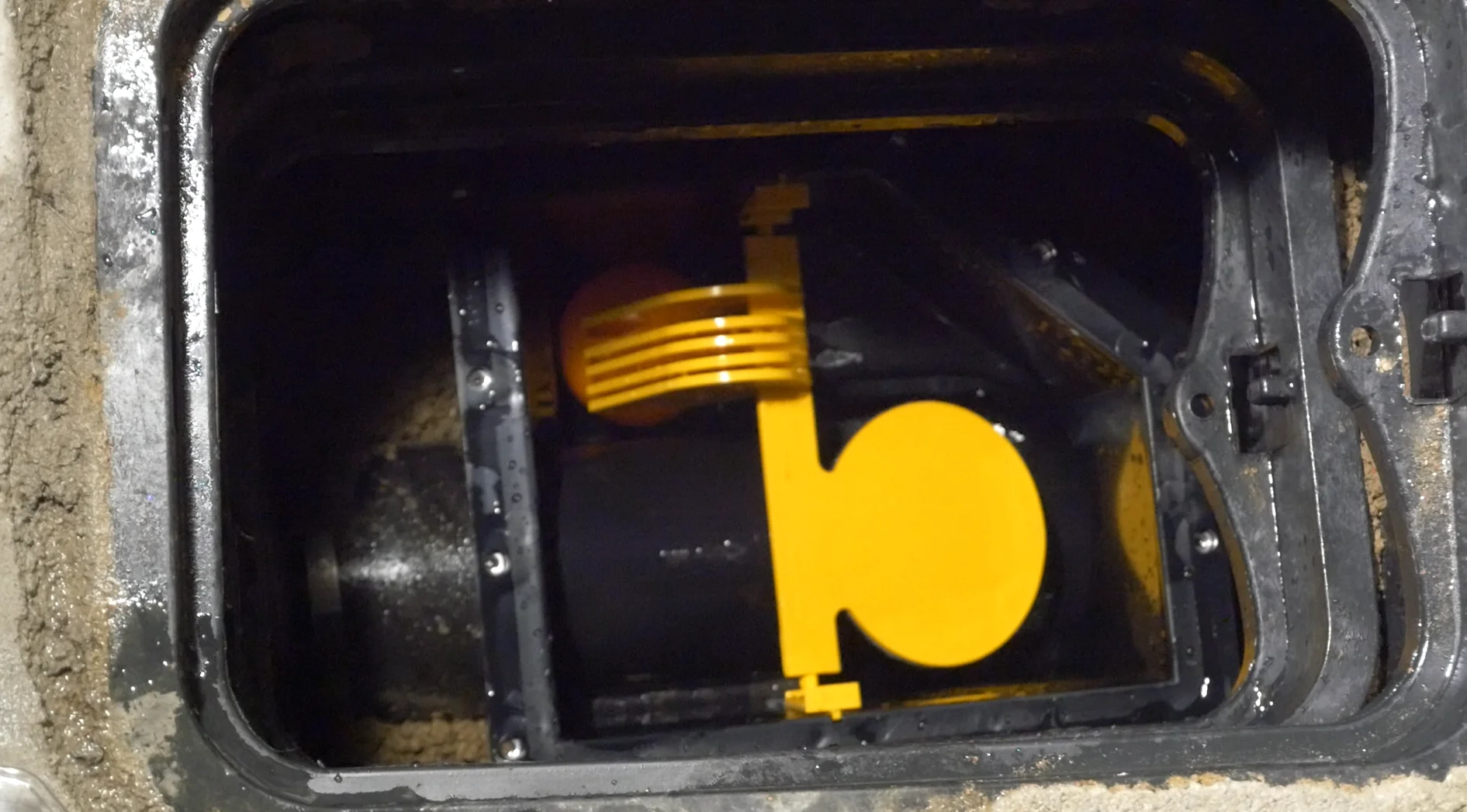
During normal use, wastewater leaves the home. When the sewer is surcharged, the valve closes to help block reverse flow. It does not solve groundwater seepage or every type of basement flooding.
- Review backup history and basement fixtures
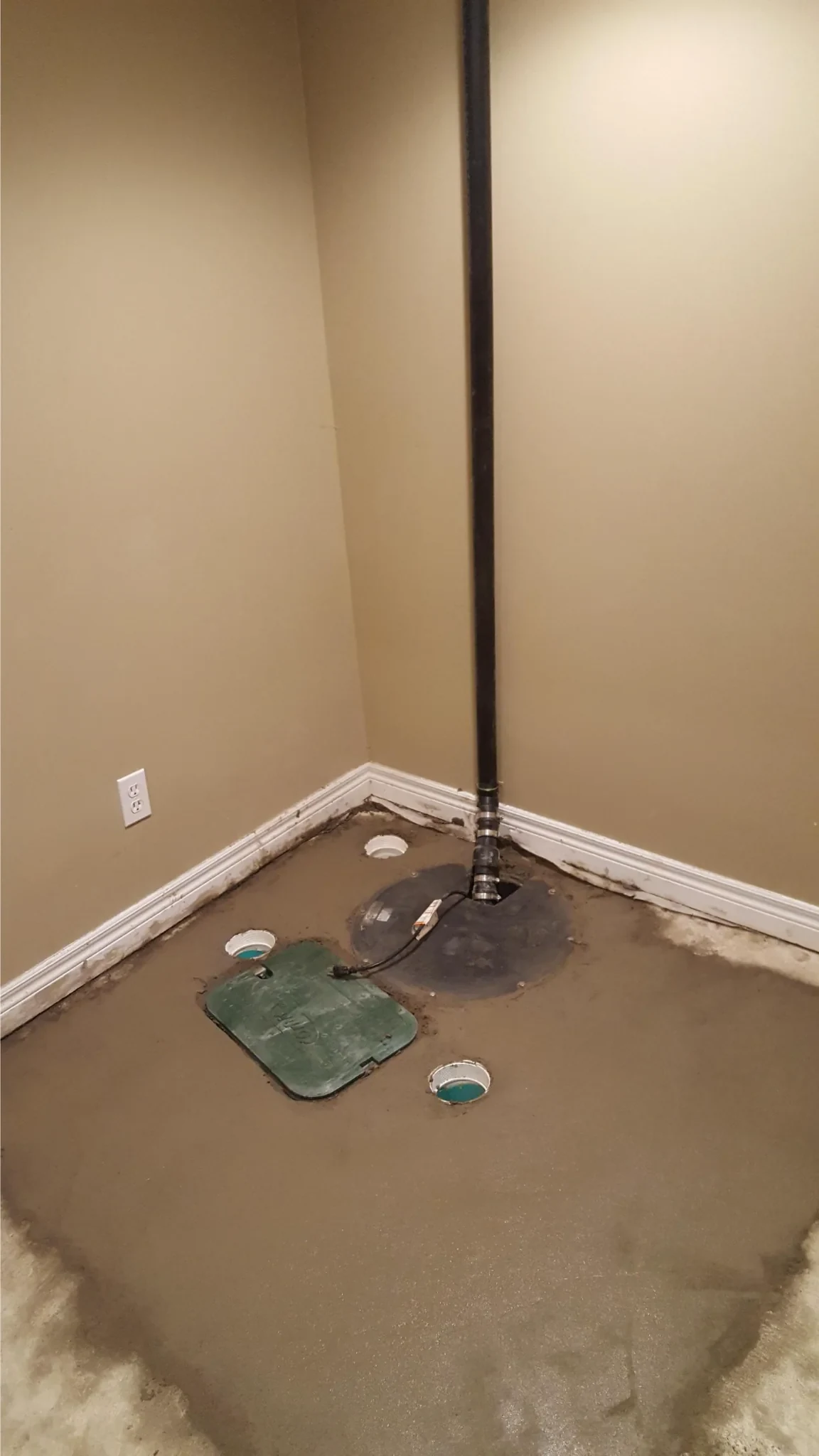
- Confirm a practical and accessible valve location
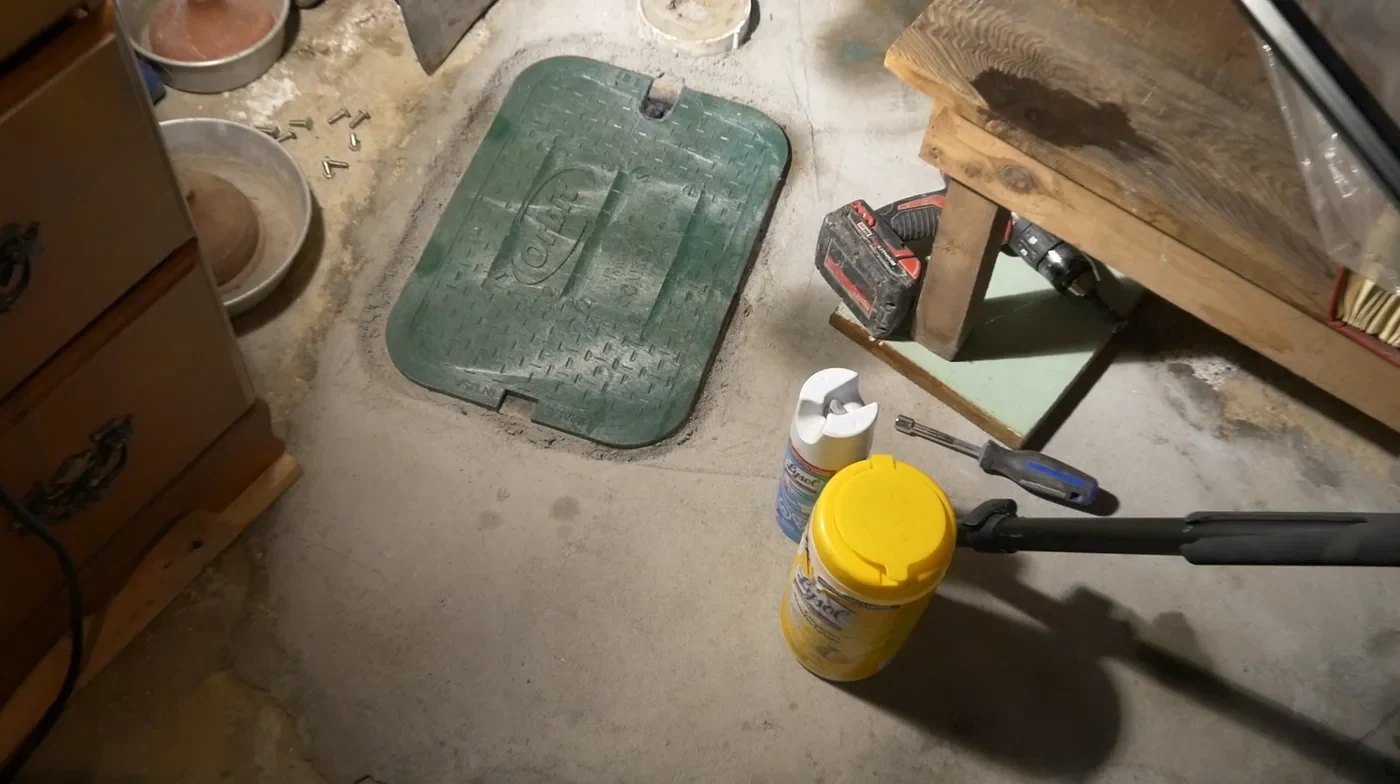
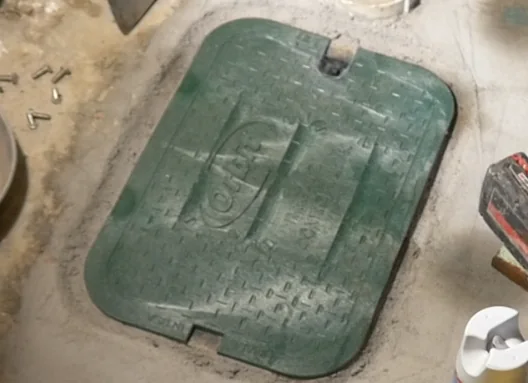
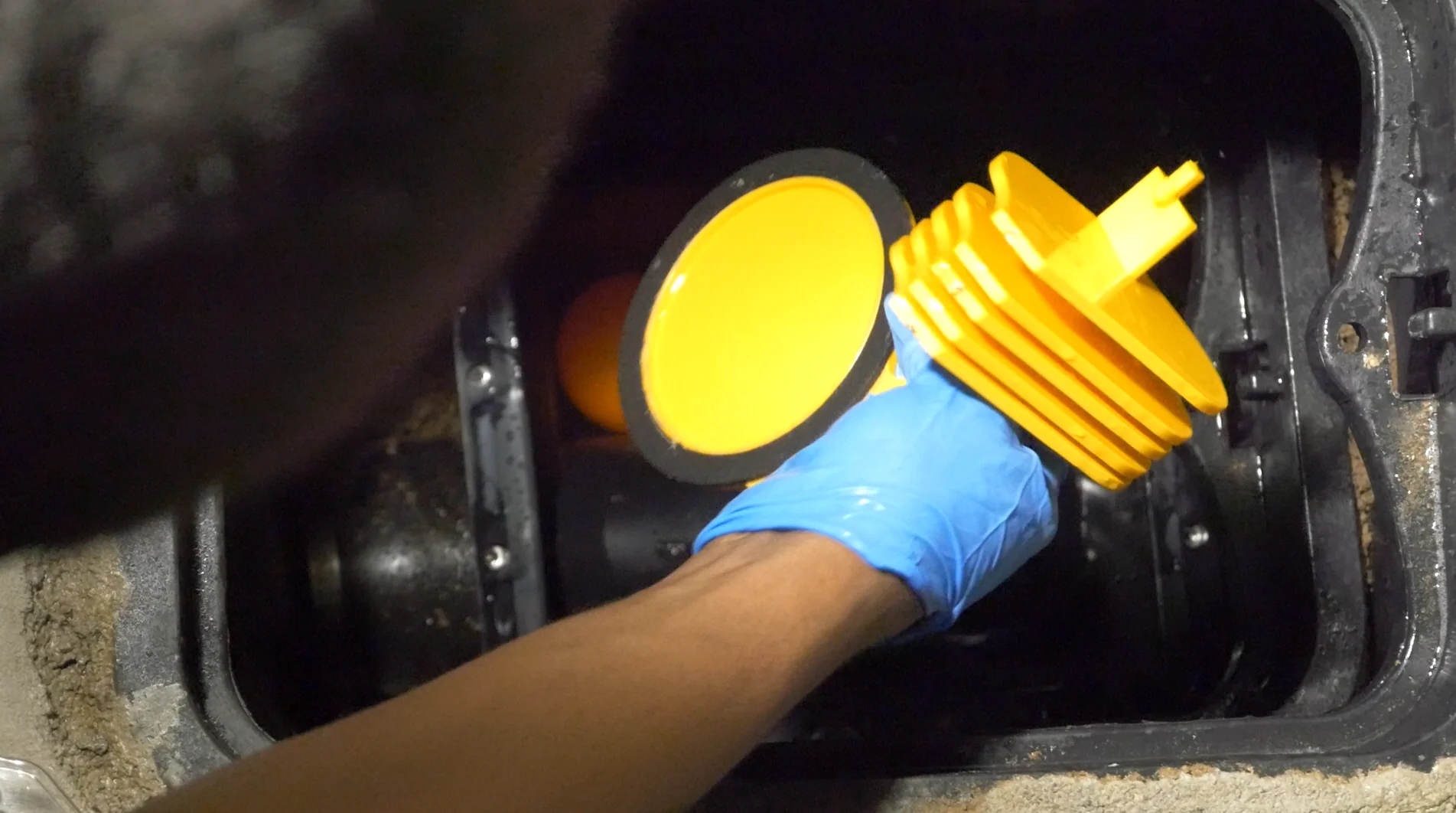
- Keep the access cover reachable for maintenance
- Avoid using plumbing fixtures while the valve is closed
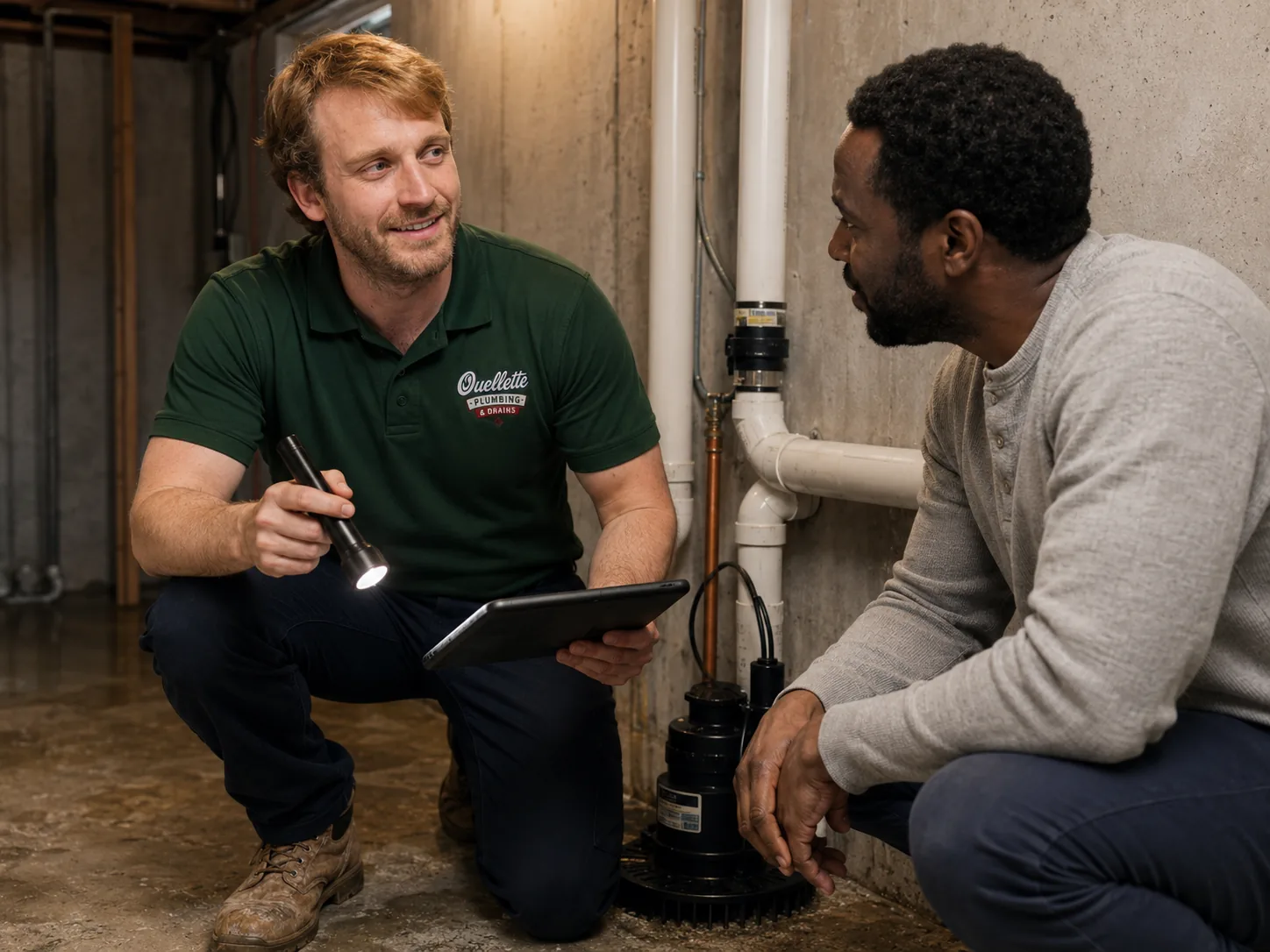
Install it properly and keep the records.
Toronto requires a building permit for an eligible backwater valve installation and an inspection before the valve is enclosed or covered. We explain the project steps and keep the homeowner’s records organized.
- Permit and inspection requirements reviewed
- Installation tested before close-up
- Photos and itemized invoice retained
- Regular maintenance remains important
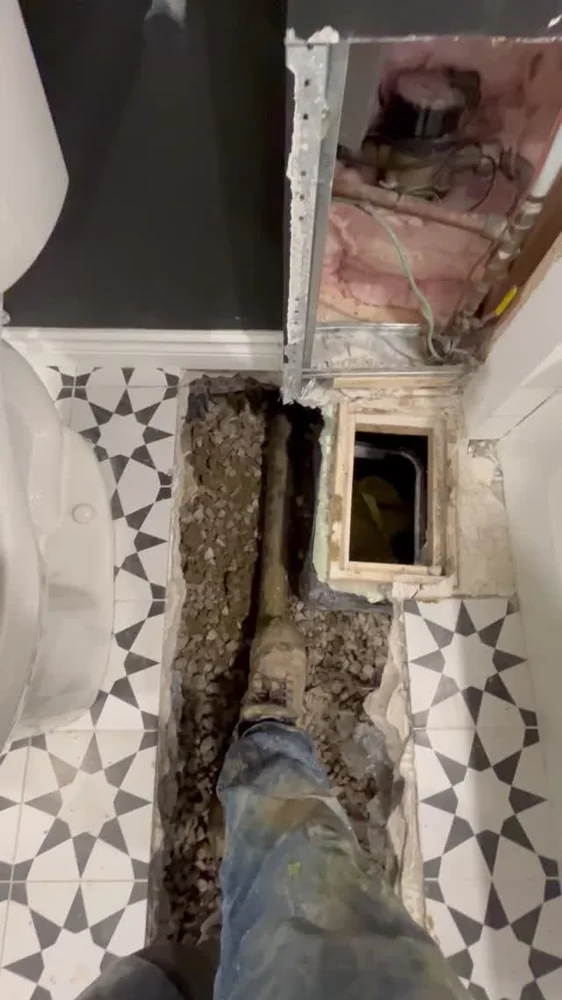
Replacement starts with the existing valve and sewer layout.
A backwater valve may need replacement because of age, damage, inaccessible components, an unsuitable installation or a change to the plumbing system. We review the existing valve, access, pipe direction and private sewer connection before recommending replacement.
What affects cost?
- Pipe depth, diameter and location
- Floor construction and excavation access
- Number and type of eligible valves
- Permit, inspection and restoration requirements
A property-specific estimate is more useful than a generic online price because access and plumbing layout materially affect the scope.
An alarm can add awareness; it does not replace the valve.
Where appropriate, an alarm can help alert the homeowner when a backwater valve closes or requires attention. Suitability depends on the device and installation.
Toronto subsidy connection
The City of Toronto currently includes eligible installation or replacement of backwater valves and eligible valve alarms within the expanded program, subject to program conditions and municipal approval.
See current Toronto subsidy information →Backwater-valve installation and access examples
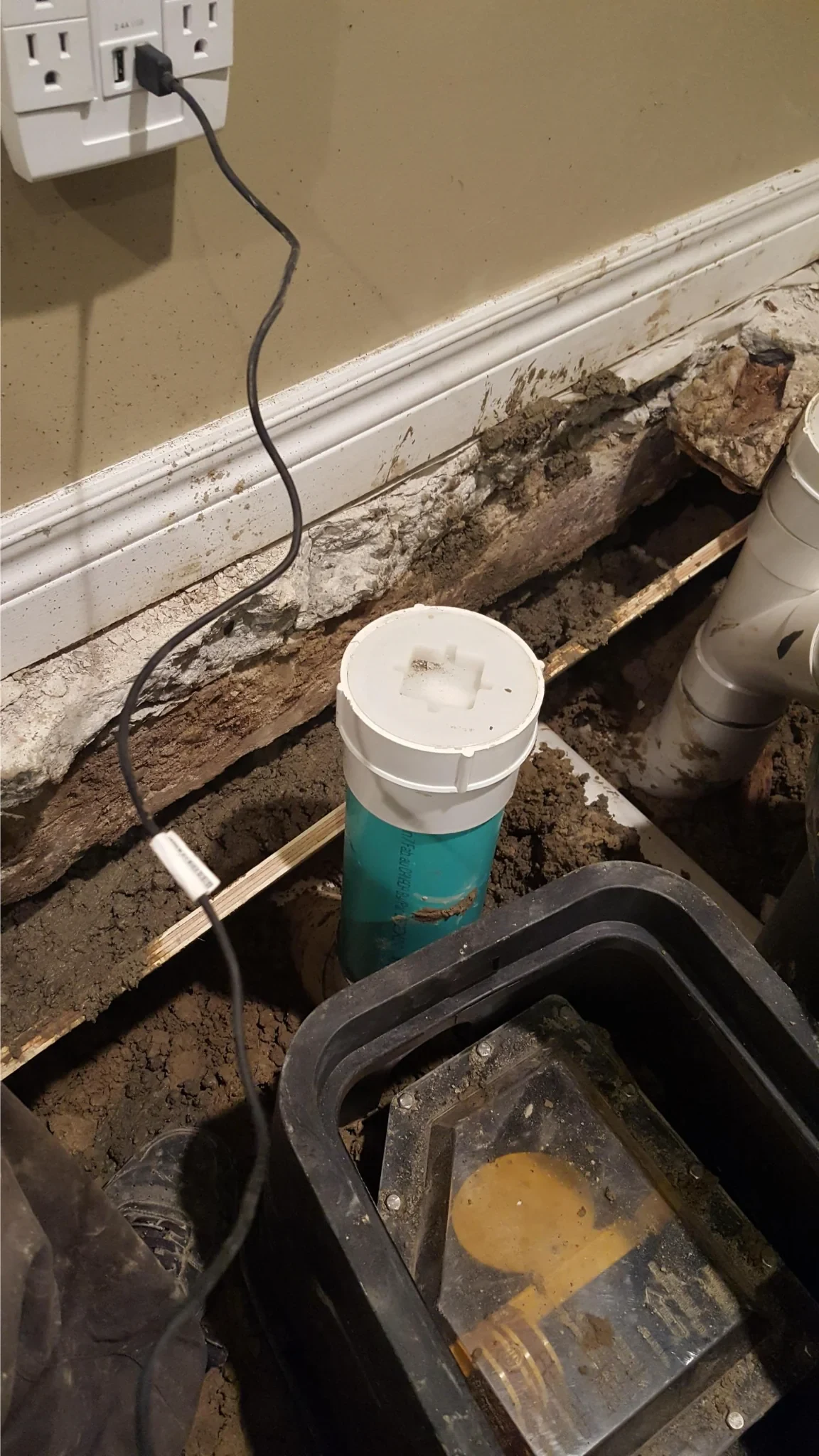
Clear answers before the work begins.
Does every home need a backwater valve?
No. The recommendation depends on the private sewer connection, basement fixtures, backup history and local requirements.
How much can Toronto subsidize?
For eligible work completed on or after November 12, 2025, Toronto offers up to 80 per cent of invoiced cost, to a maximum of $1,600 per device, for as many as two devices.
Does the valve need maintenance?
Yes. The access cover should remain reachable and the valve should be inspected and cleaned according to the manufacturer’s instructions.