Basement waterproofing starts by identifying how water gets in.
Wet basement, wall seepage, floor water or leaks after rain? Review the water-entry path before choosing drainage, membrane, crack, sump or plumbing work.
Toronto priority serviceVaughan & Markham coverage
WATER ENTRY
Waterproofing is one part of basement flood diagnosis.
Water through walls, floors, cracks, window wells or foundation drainage needs a different response from sewer backup or a failed sump pump. The repair can involve grading, exterior membrane work, interior drainage, weeping tile, crack repair or coordination with sump systems.
Identify where and when water enters
Separate plumbing problems from foundation water entry
Review drainage, sump and discharge conditions
Choose interior or exterior work based on site conditions
VISUAL EXAMPLES
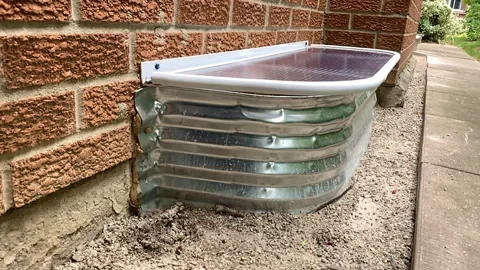
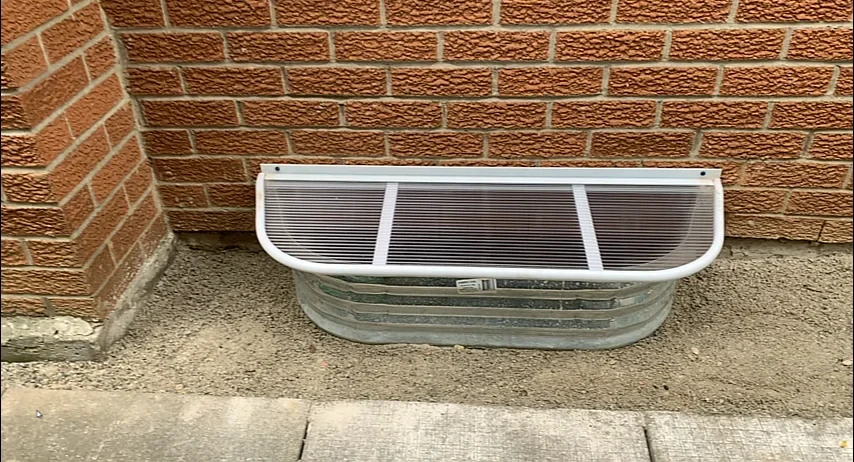
Examples of exterior water-entry protection
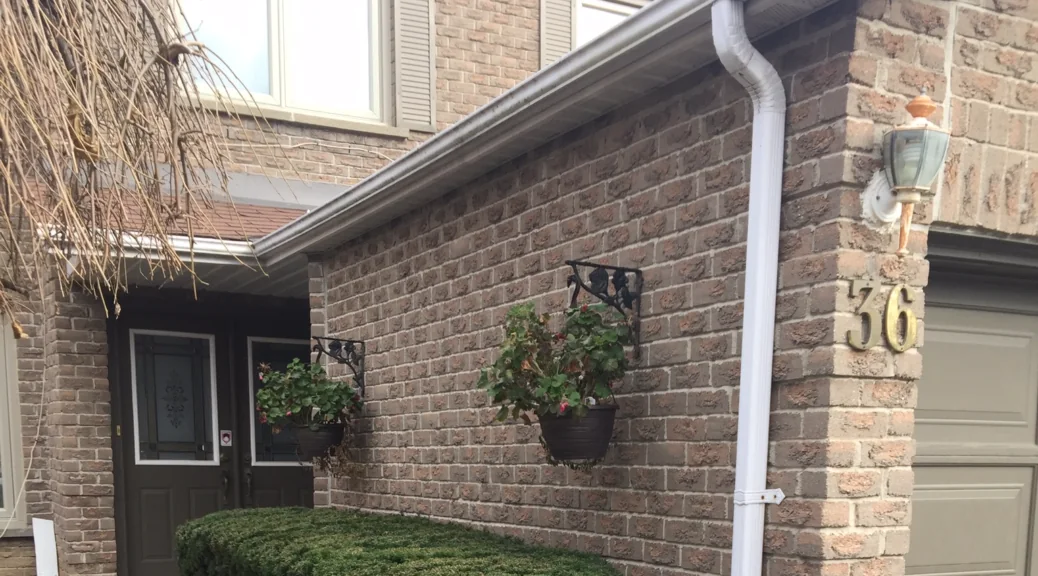
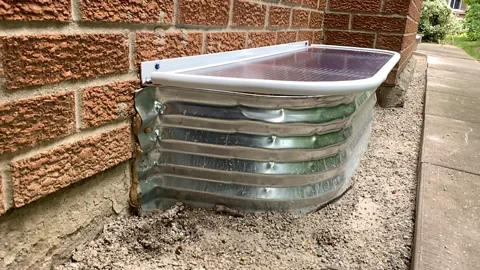
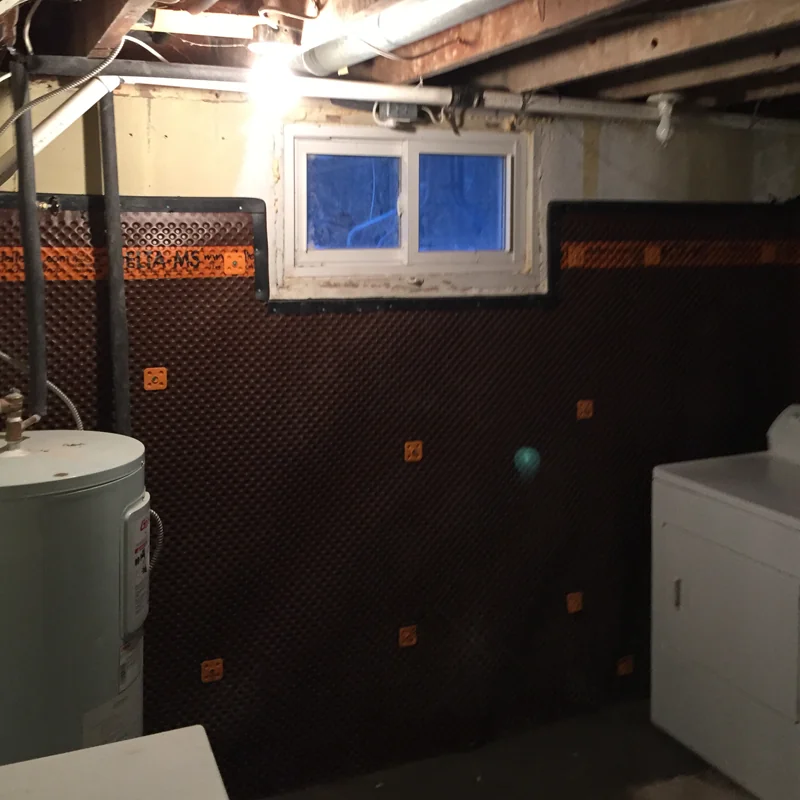
Exterior excavation can expose the wall and drainage conditions before membrane and drainage work.Window wells and low openings should be considered when surface water can collect near the foundation.Low openings and window wells should be reviewed when surface water collects near the wall.Window-well protection can be one part of a broader water-entry strategy.Interior wall membrane can help direct water to drainage collection points when appropriate.
NEXT STEP
Continue with the information that matches the problem.