COMMERCIAL PROPERTY SERVICE
Commercial sump systems need more than a pump in a pit.
Capacity, controls, alarms, discharge routing, power failure and maintenance all matter when the property depends on the system.
WHAT WE REVIEW
Start with the building conditions and operating needs.
Commercial work must account for the size of the system, access, occupants, service interruptions, maintenance responsibilities and the evidence available from inspection.
- Visible plumbing and drainage conditions
- Existing pumps, valves, alarms and discharge routes
- Drain and sewer symptoms or inspection findings
- Practical sequencing and documentation
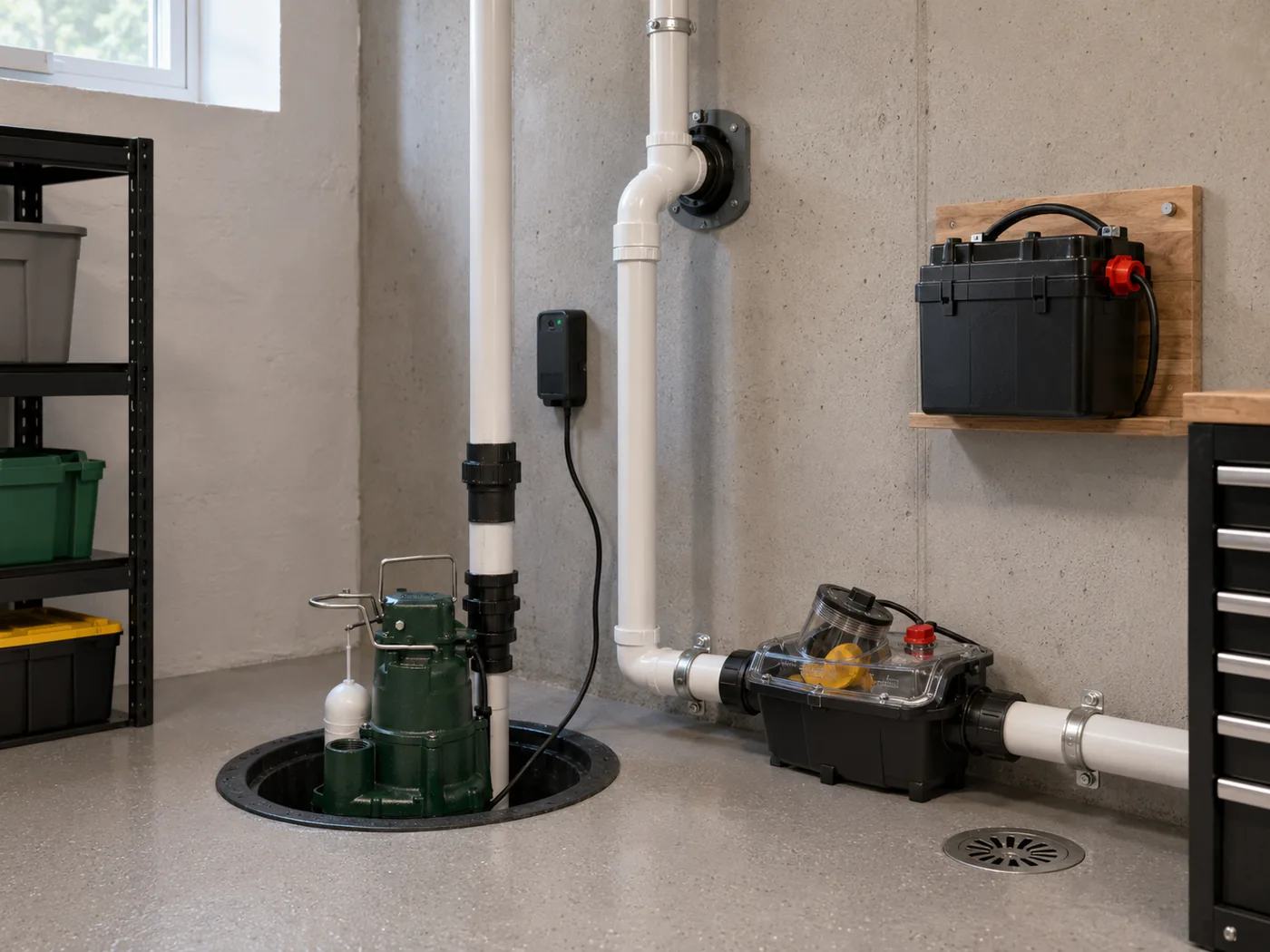
What a building review should verify
A commercial plan should account for sanitary and storm connections, low points, pumps, alarms, backup power, maintenance access and the operational cost of an interruption. Recommendations should be tied to the actual condition of the building and piping.
A useful scope identifies required inspections, priorities, permits, coordination responsibilities and the records that should be retained for future maintenance.
Useful next steps
Published by BasementFlooding.ca / Ouellette Plumbing & Drains. Updated July 23, 2026.Final recommendations depend on the property, existing plumbing and an appropriate assessment.Our content standards →